More Than a Trail: Six Stops Along the Arabia Mountain PATH System
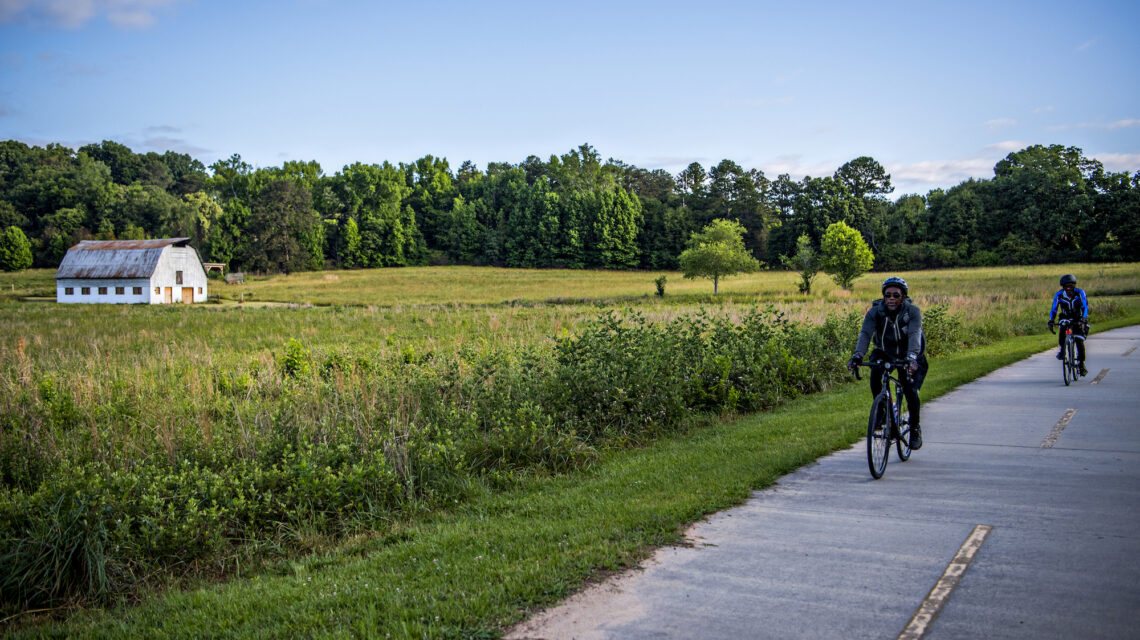
With more than 30 miles of paved bike trails, the Arabia Mountain PATH (AMP) System acts like a spine, running through the Heritage Area and connecting many of its sites and green spaces. Local writer Brittany Session takes a closer look at some of its hidden gems.
There is something special about the Arabia Mountain PATH. It is more than a trail system connecting parks, historic sites, neighborhoods, and natural spaces. It’s a way of experiencing the Arabia Mountain National Heritage Area one step, one stop, and one story at a time. The Arabia Mountain National Heritage Area is one of those places that keeps revealing itself. No matter how many times you visit, there always seems to be another trail, another view, another historic marker, or another detail waiting to be noticed. Across the Heritage Area, the landscape holds layers of history more than 400 million years in the making. Granite outcrops, forests, rivers, farms, lakes, ruins, and sacred spaces all come together to tell the story of a place shaped by nature, labor, community, and time.
I have always loved this area for its beauty and peacefulness, but exploring it with the Arabia Mountain PATH self-guided tour map helped me look at it with fresh eyes. Some places were already familiar to me. Others were places I had passed by, overlooked, or only recently learned about. These six stops are reminders that some of the most meaningful parts of the PATH are found when we slow down, look closer, and allow the landscape to reveal itself.
Monastery of the Holy Spirit
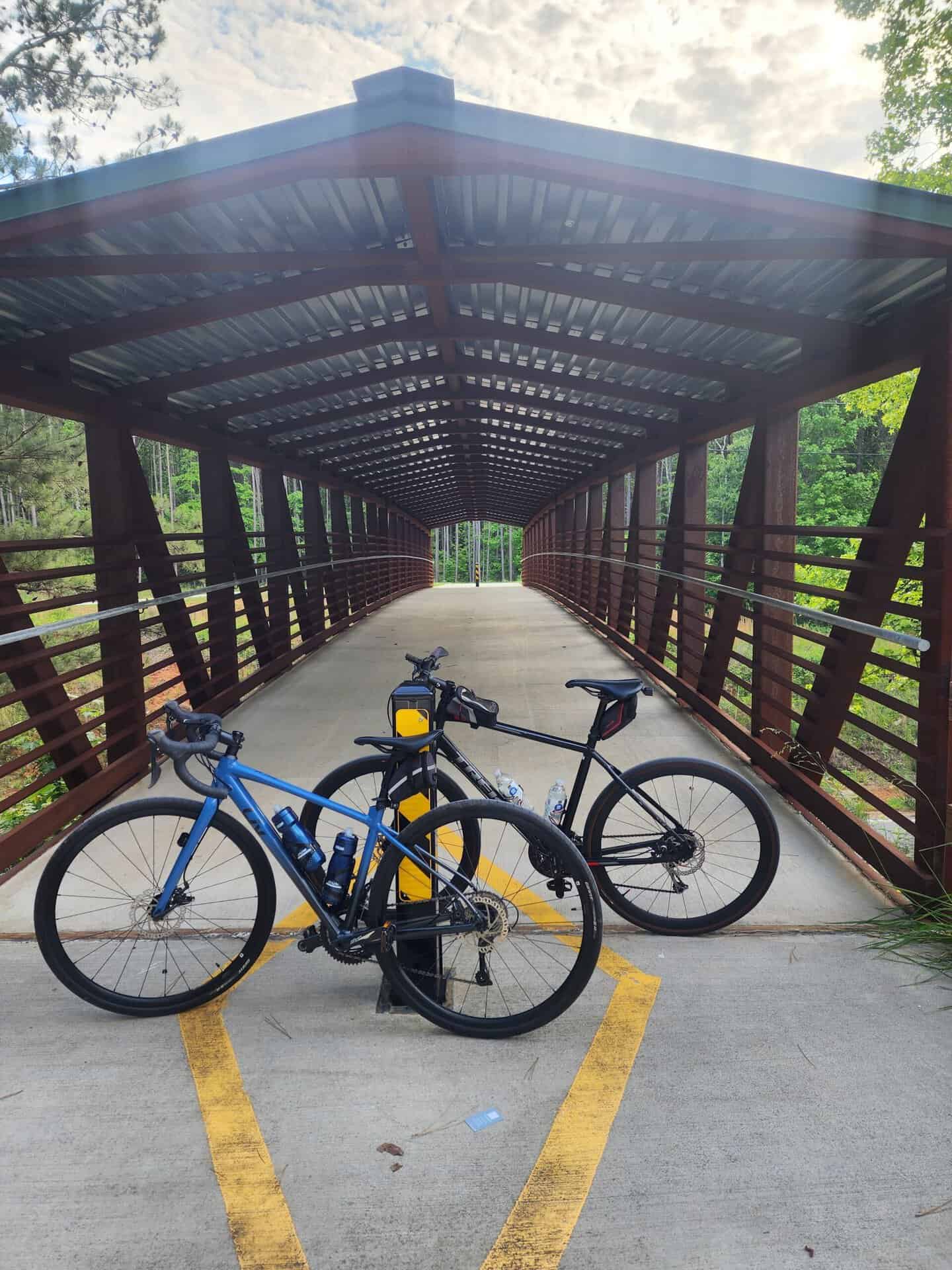 The Monastery of the Holy Spirit in Conyers is widely known as the home of Trappist monks, the Abbey Church, the Visitor Center, and its peaceful grounds. But it’s also home to a beautiful stretch of the Arabia Mountain PATH System. This section begins near the front of the monastery grounds and includes bridges that carry the trail across the landscape, including the Rockdale River Trail Bridge (pictured above) and the 500-foot Keystone Bridge that spans the South River. At points, the trail runs close to the road, but even with traffic nearby, this stretch still feels set apart. The paved trail winds through wooded areas and open spaces that feel calm, still, and deeply peaceful. On one visit, I saw a deer while walking, a simple moment that captured the serenity of this section. For anyone looking for a peaceful walk, a moment of reflection, or a slower way to experience the PATH, the Monastery section is worth exploring.
De Castro Trailhead
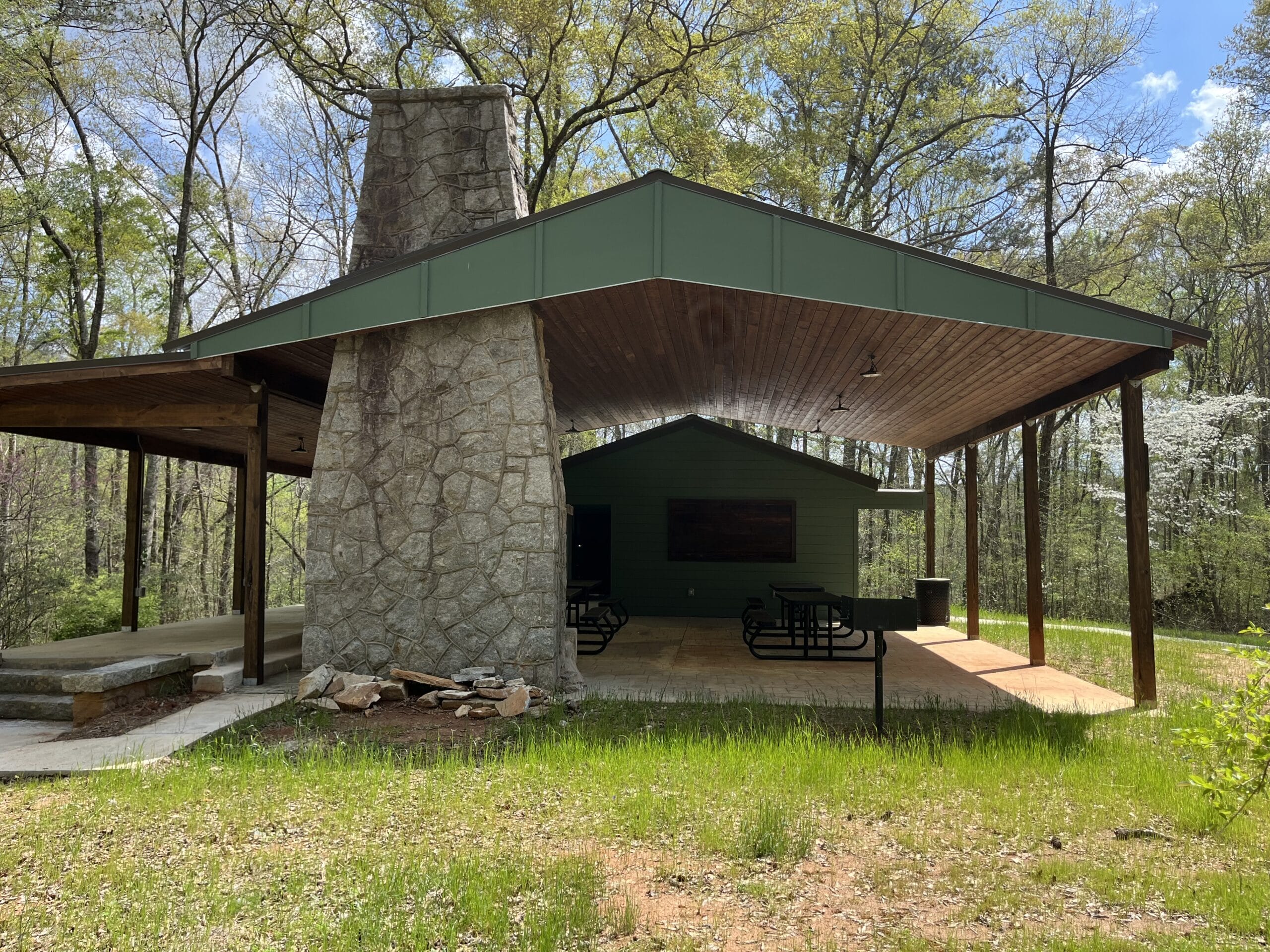
De Castro Trailhead is one of those stops that feels tucked into the landscape. Located in Rockdale County along the South River, this trailhead offers access to a less-traveled side of the PATH and gives visitors another way to experience the Heritage Area beyond the more familiar trailheads. What makes de Castro special is the sense of discovery it offers. The area connects visitors to wooded paths, river scenery, and unique trail features, including access to a unique wooden suspension bridge. It’s also a great spot to take a rest at the new-ish de Castro Nature Pavilion, where you can learn more about the de Castro family and local biota. It’s a good reminder that not every meaningful stop along the PATH announces itself right away. Some places reveal their beauty gradually. De Castro is worth a closer look for visitors who enjoy scenic walks, tucked-away trailheads, and places that feel slightly removed from the busier parts of the trail.
Horace King Memorial Bridge
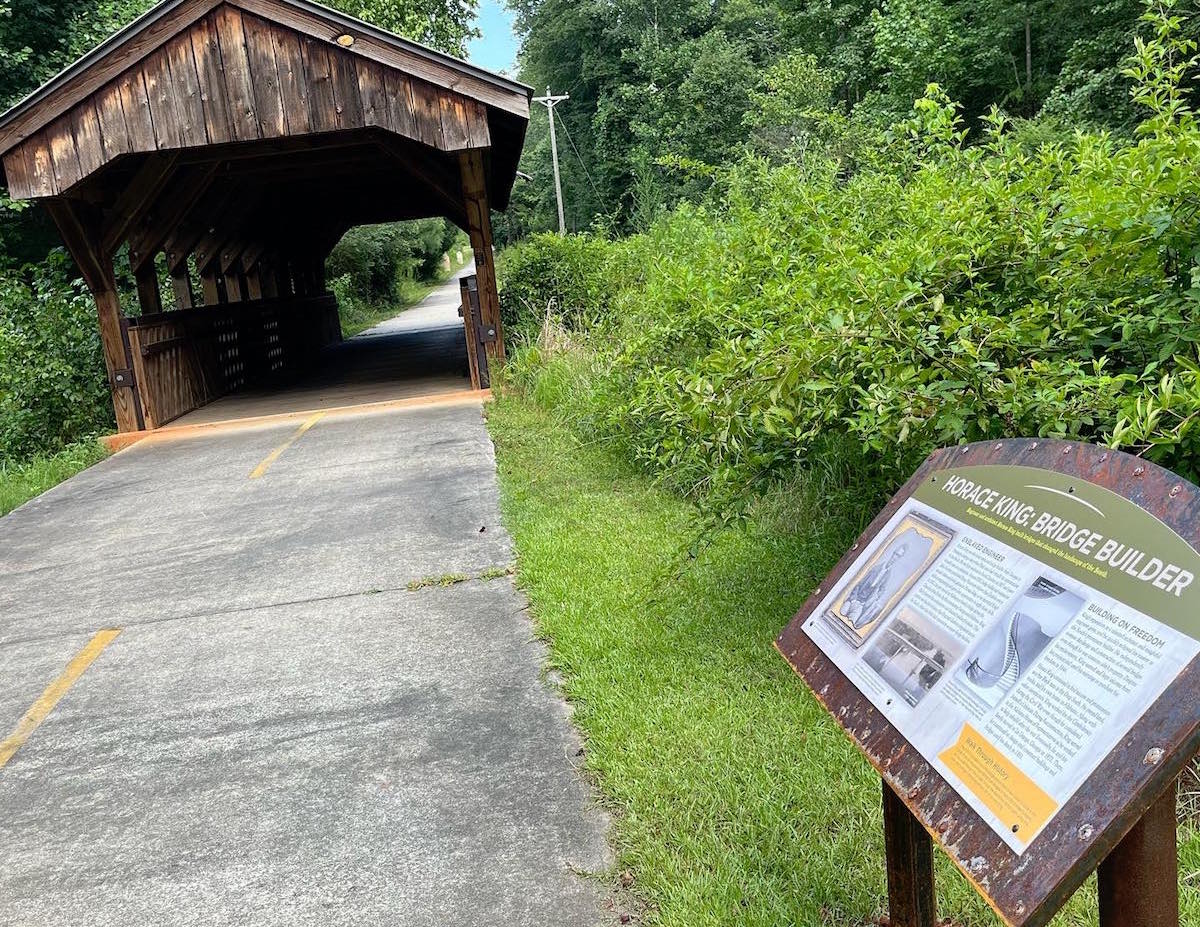 Located near Murphey Candler Elementary off of Klondike Road, the Horace King Memorial Bridge is more than a scenic stop along the PATH. It’s a place connected to an important legacy. Horace King was born into slavery and bought his freedom in 1846. He became a highly respected engineer, architect, and bridge builder whose work stretched across the Deep South. At one point, he was responsible for every major crossing on the Chattahoochee River. After the Civil War, he also served in the Alabama State House. A bridge honoring Horace King and inspired by his building style feels especially meaningful because bridges were central to his life’s work. This stop gives visitors a chance to pause and reflect on Black craftsmanship, resilience, and ingenuity. It is one of those places along the PATH where history and landscape meet in a powerful way.
Old Quarry Office Ruins
Credit: Brittany Sessions
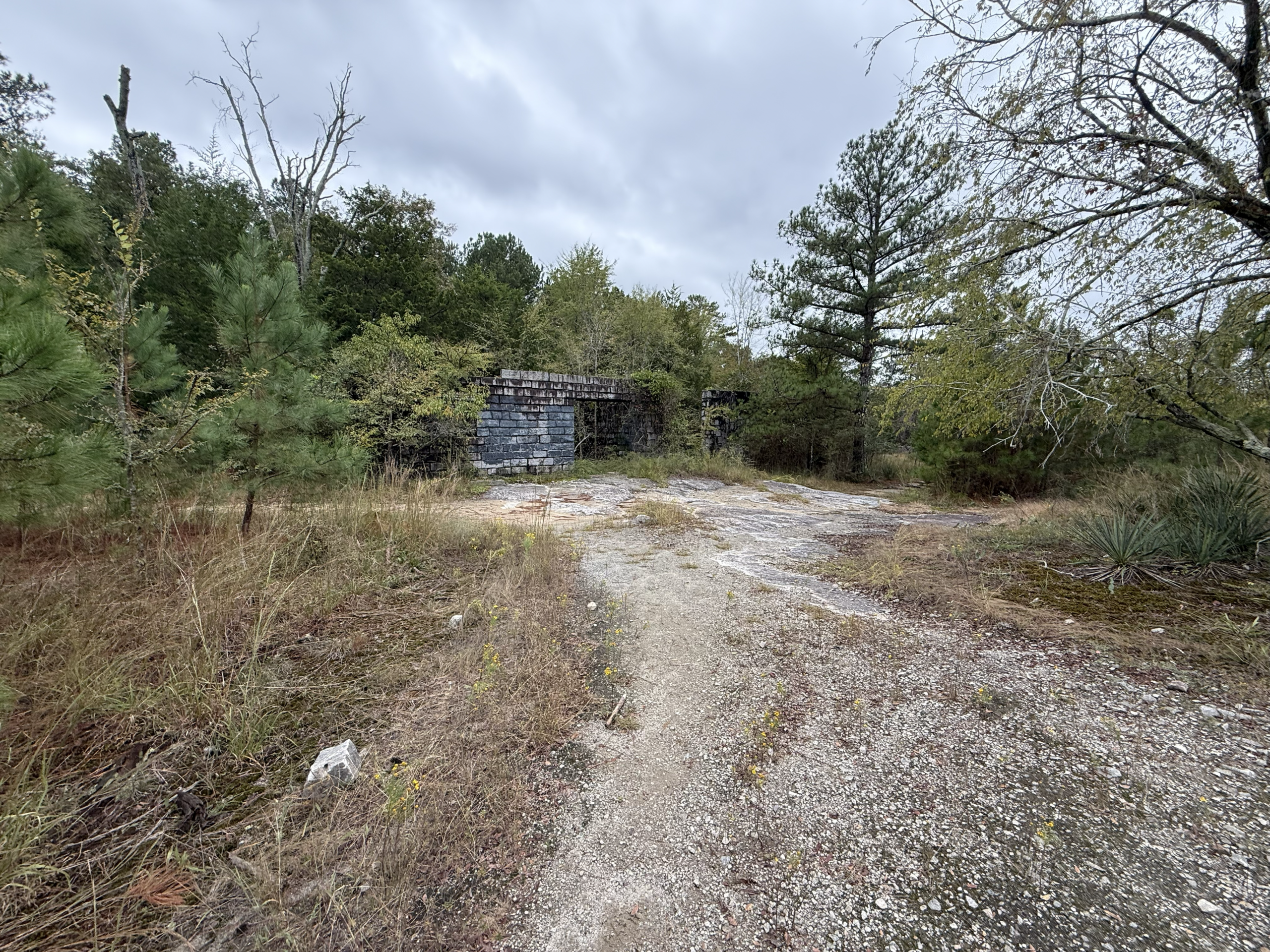
The old Quarry Office Ruins at the Davidson-Arabia Mountain Nature Preserve are easy to miss if you’re moving too quickly. They lie about a mile south of the nature center at a high point on the PATH. Set just off the pavement on a dirt trail, and partially surrounded by brush and trees, the stone ruins seem to blend into the landscape at first. But once you stop and look closer, the site begins to tell a much larger story. Before Arabia Mountain was a beloved nature preserve, it was quarried for about a century, owned for most of that time by the Davidson Family. The Davidsons had a massive granite quarry operation in and around Lithonia, know as the City that Granite Built. At one point, Arabia was one of the largest quarries in the world before the family donated the mountain to DeKalb County in the 1970s.
With iron bars in the windows, many have mistaken the quarry office ruins for an old jail. Today, the remains of this office building sit among exposed rock, low grasses, young pines, and other remnants of quarry work (including other stone ruins) still visible and scattered across the landscape. The landscape feels rugged and still, as nature has slowly begun to reclaim a place that was once full of movement, labor, and industry. This stop reminds you that Arabia Mountain’s beauty is not separate from its working history of quarry workers and stonecutters. The same granite that draws people to the area today also shaped the lives and labor of those who quarried it.
Alexander Lake at Panola Mountain
Credit: Brittany Sessions
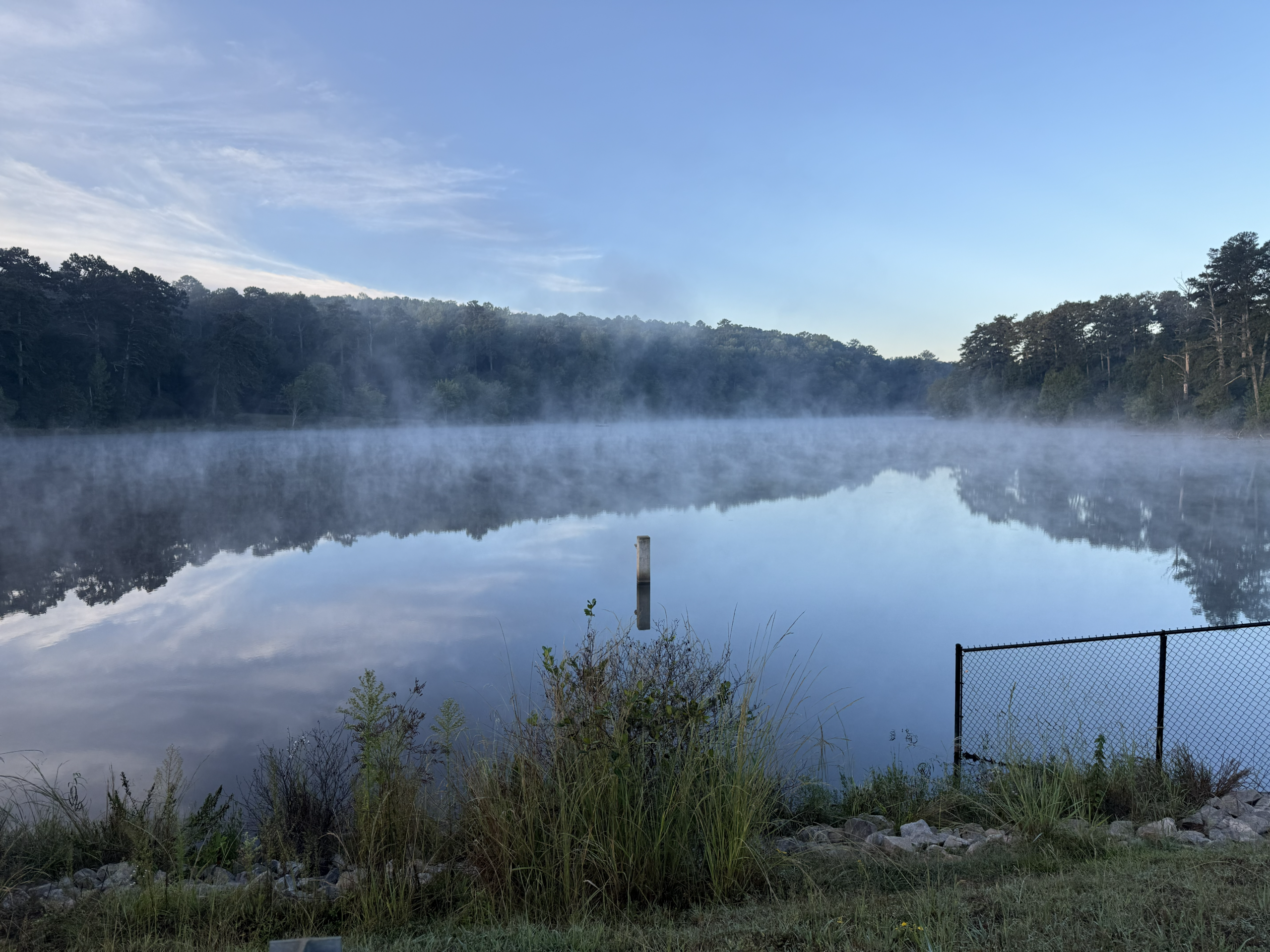
Alexander Lake is a peaceful place to walk, pause, and take in the scenery along the PATH. Located at Panola Mountain State Park, the lake offers calm water views, wooded surroundings, and a scenic, wooden bridge that takes visitors directly over the water. There is something especially still about this area in the early morning, when mist rises from the lake, and the trees reflect across the surface. On weekends, the area can get a bit busier with people walking, fishing, or spending time by the water, but it still offers plenty of moments to slow down and enjoy the view. Plus, just off the paved PATH by the shores of the South River are the overgrown remains of the old Southerness Golf Course (good for a little bushwhacking or off-roading).
The PATH around the lake also runs straight through historic Alexander Barn and by Alexander Estates, reminders that this land was once privately owned and part of a farming landscape. Nearby is the Parker House, the oldest known house in Rockdale County and a site listed on the National Register of Historic Places. Together, the lake, barn, historic home, bridge, and surrounding trails create a stop that feels both scenic and connected to the larger story of the Heritage Area. Alexander Lake is a reminder that not every stop along the PATH has to be dramatic to be meaningful. Sometimes a lake view, a morning mist, and a walk over the water are enough.
Panola Shoals and the South River Trail
Credit: Brittany Sessions
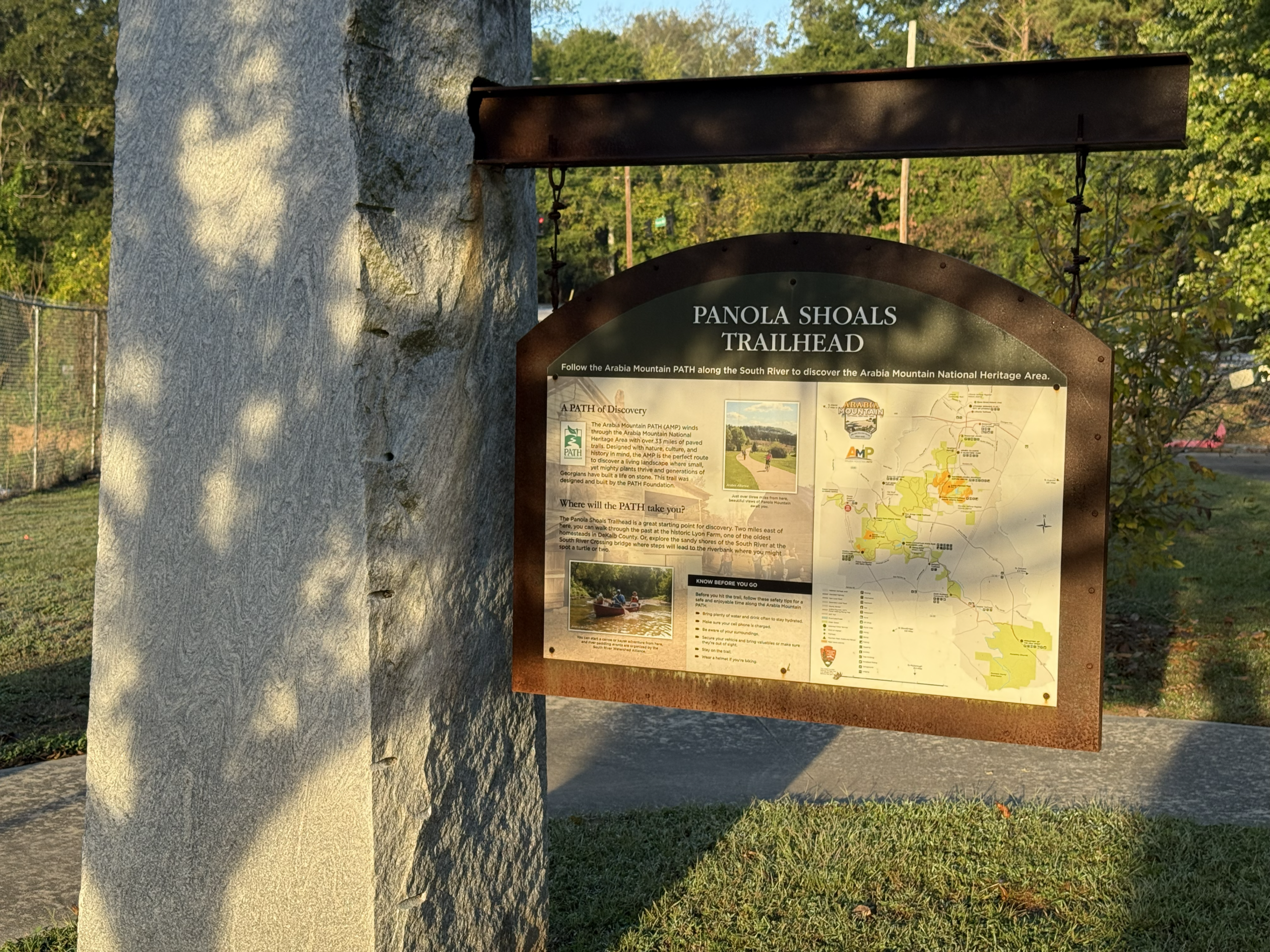
Panola Shoals is a stop that reminds you how powerful and present the South River is within the Heritage Area. From the trailhead, visitors can follow the PATH along the river and experience a stretch of the landscape shaped by water, movement, and time. While construction is currently underway at the trailhead, visitors can park at Martin Luther King, Jr. Middle School after school hours and bike or walk from there. This route also leads visitors to Lyon Farm, the last extant plantation home in DeKalb County and a chief restoration project of the Arabia Alliance. This historic homestead offers insight into the lives of Georgia’s early white farmers as well as the enslaved people who created resilient communities like Flat Rock following emancipation. A walk along the South River can become a walk into history, showing how the PATH connects not only places, but the stories that give them meaning.
The Arabia Mountain PATH is full of stops worth noticing, some peaceful, some historic, some scenic, and some easy to pass by if we’re not paying attention. Together, they show that the Heritage Area is not a place to rush through. It is a place to experience slowly, one stop and one story at a time, over and over again.
Check out our AMP System map here and happy exploring!
Brittany Sessions
